 Image 1 of 1
246 pages
ISBN: 978-0967889344
Weight: 10.7 ounces
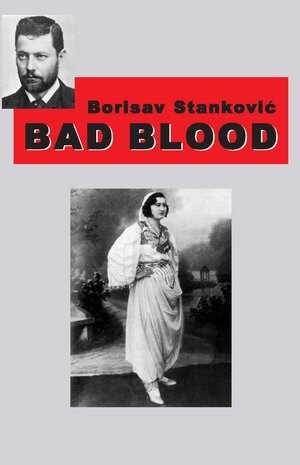
Borisav Stanković’s classic novel, Bad Blood (1910), tells the tragic story of Sofka, a woman of otherworldly beauty, who marries a twelve-year-old boy in order to save her family from financial ruin. Bad Blood is regarded as the first Serbian psychological novel, and it left a profound influence on writers as diverse as Meša Selimović and Ivo Andrić.
Reviews
Borisav Stanković’s Bad Blood is the first true modern psychological novel written in Serbian. It depicts people, customs, and ways of life in southern Serbia following the liberation from the centuries-long Ottoman yoke in 1875. The most striking feature of the novel is its female protagonist, Sofka. At the time when women in literature were represented mostly as stereotypes, Stanković created Sofka as a full human being. Stanković was the first Serbian writer to introduce eroticism in his portrayal of Sofka. Milo Yelesiyevich should be commended for bringing this masterpiece of Serbian Literature to English-speaking readers.
Radmila J. Gorup, Columbia University, New York—Back Cover
Of all of the writers at the turn of the nineteenth into the twentieth centuries, no other is more revolutionary and exciting than Bora Stanković. A native of southern Serbia, where the Turkish influence lingered longer than elsewhere, he delved psychologically into the most intimate relationships between the people of Vranje, a colorful town in his native region. The most notable of these is the relationship between Gazda-Marko and his beautiful daughter-in-law, Sofka, both of whom are consumed by sexual desire a forbidden fruit. Stanković’s attacks on the entrenched prejudices in his society made him both criticized and admired at the time when Serbian literature was shifting from realism to modernism. His lyrical style and down-to-earth language fit the subject matter perfectly, making Bad Blood the most-read novel in Serbian literature to this very day.
Vasa D. Mihailovich University of North Carolina, Chapel Hill (Emeritus)—Back Cover
About the Author
Borisav (Bora) Stanković (1876–927) was born into a family that was once wealthy, but had long since fallen on hard times. His father died when he was five, and his mother when he was seven. He was raised by his grandmother, who enchanted him with stories from Vranje’s past; these tales became the source of most of his short stories and novels.
246 pages
ISBN: 978-0967889344
Weight: 10.7 ounces
Borisav Stanković’s classic novel, Bad Blood (1910), tells the tragic story of Sofka, a woman of otherworldly beauty, who marries a twelve-year-old boy in order to save her family from financial ruin. Bad Blood is regarded as the first Serbian psychological novel, and it left a profound influence on writers as diverse as Meša Selimović and Ivo Andrić.
Reviews
Borisav Stanković’s Bad Blood is the first true modern psychological novel written in Serbian. It depicts people, customs, and ways of life in southern Serbia following the liberation from the centuries-long Ottoman yoke in 1875. The most striking feature of the novel is its female protagonist, Sofka. At the time when women in literature were represented mostly as stereotypes, Stanković created Sofka as a full human being. Stanković was the first Serbian writer to introduce eroticism in his portrayal of Sofka. Milo Yelesiyevich should be commended for bringing this masterpiece of Serbian Literature to English-speaking readers.
Radmila J. Gorup, Columbia University, New York—Back Cover
Of all of the writers at the turn of the nineteenth into the twentieth centuries, no other is more revolutionary and exciting than Bora Stanković. A native of southern Serbia, where the Turkish influence lingered longer than elsewhere, he delved psychologically into the most intimate relationships between the people of Vranje, a colorful town in his native region. The most notable of these is the relationship between Gazda-Marko and his beautiful daughter-in-law, Sofka, both of whom are consumed by sexual desire a forbidden fruit. Stanković’s attacks on the entrenched prejudices in his society made him both criticized and admired at the time when Serbian literature was shifting from realism to modernism. His lyrical style and down-to-earth language fit the subject matter perfectly, making Bad Blood the most-read novel in Serbian literature to this very day.
Vasa D. Mihailovich University of North Carolina, Chapel Hill (Emeritus)—Back Cover
About the Author
Borisav (Bora) Stanković (1876–927) was born into a family that was once wealthy, but had long since fallen on hard times. His father died when he was five, and his mother when he was seven. He was raised by his grandmother, who enchanted him with stories from Vranje’s past; these tales became the source of most of his short stories and novels.